Carlo Jung · 20 September 2026
Exploring Micro-Corridor Tactics for Perishable Cargo Handling in Isolated Island Communities
Isolated island communities face unique logistics hurdles when moving perishable cargo such as fresh produce, seafood, dairy products, and temperature-sensitive pharmaceuticals across fragmented maritime spaces. Micro-corridor tactics address these issues by establishing short, high-frequency routes that connect nearby islands to regional hubs rather than relying on long-haul vessels that increase spoilage risk through extended transit times. Data from maritime transport studies show that these compact networks reduce average delivery windows by 40 percent in archipelagic settings, which directly lowers waste rates for goods that require consistent cold-chain management.
Core Components of Micro-Corridor Systems
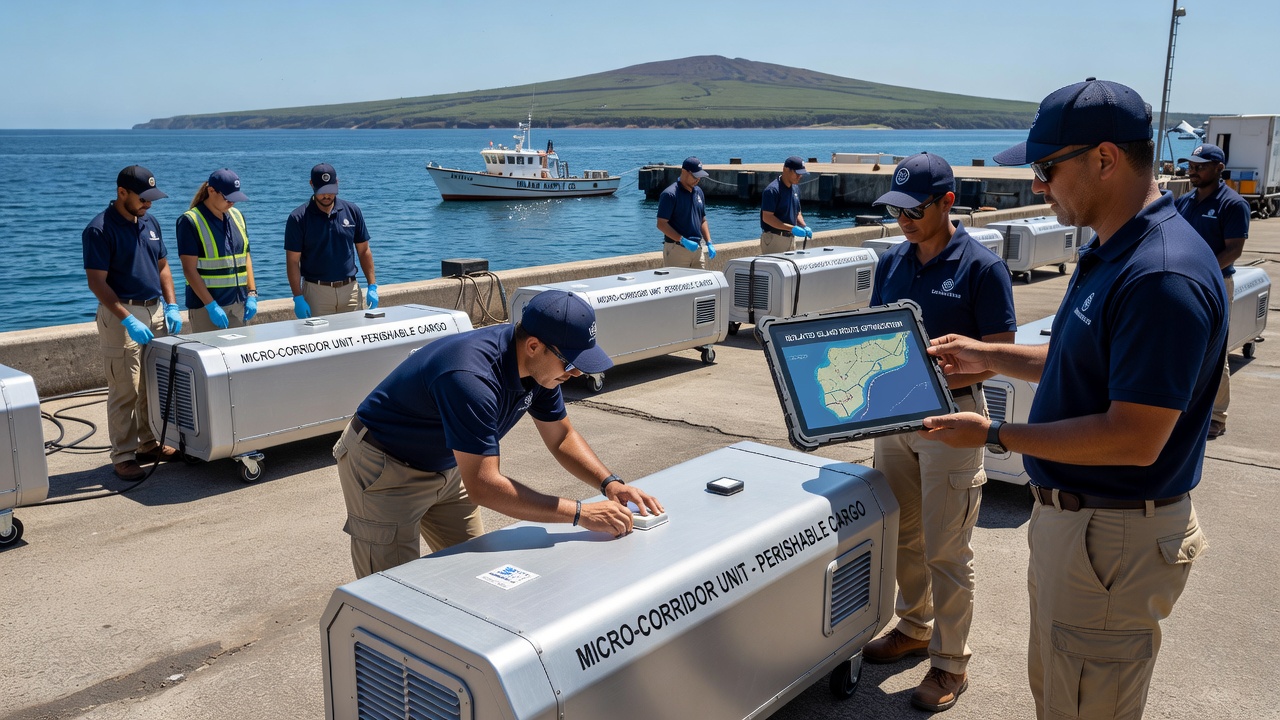
Operators design micro-corridors around predictable schedules that align with local tidal patterns and seasonal weather windows, and they equip small to mid-size vessels with modular reefer units that maintain precise temperature ranges during crossings of 20 to 80 nautical miles. Sensors track humidity, vibration, and door seals in real time, while shore-based coordination centers adjust routes when forecasts indicate changing conditions. Research from the Australian Institute of Marine Science indicates that integrated monitoring on such routes has cut spoilage incidents by 28 percent compared with traditional ad-hoc barge services in similar environments.
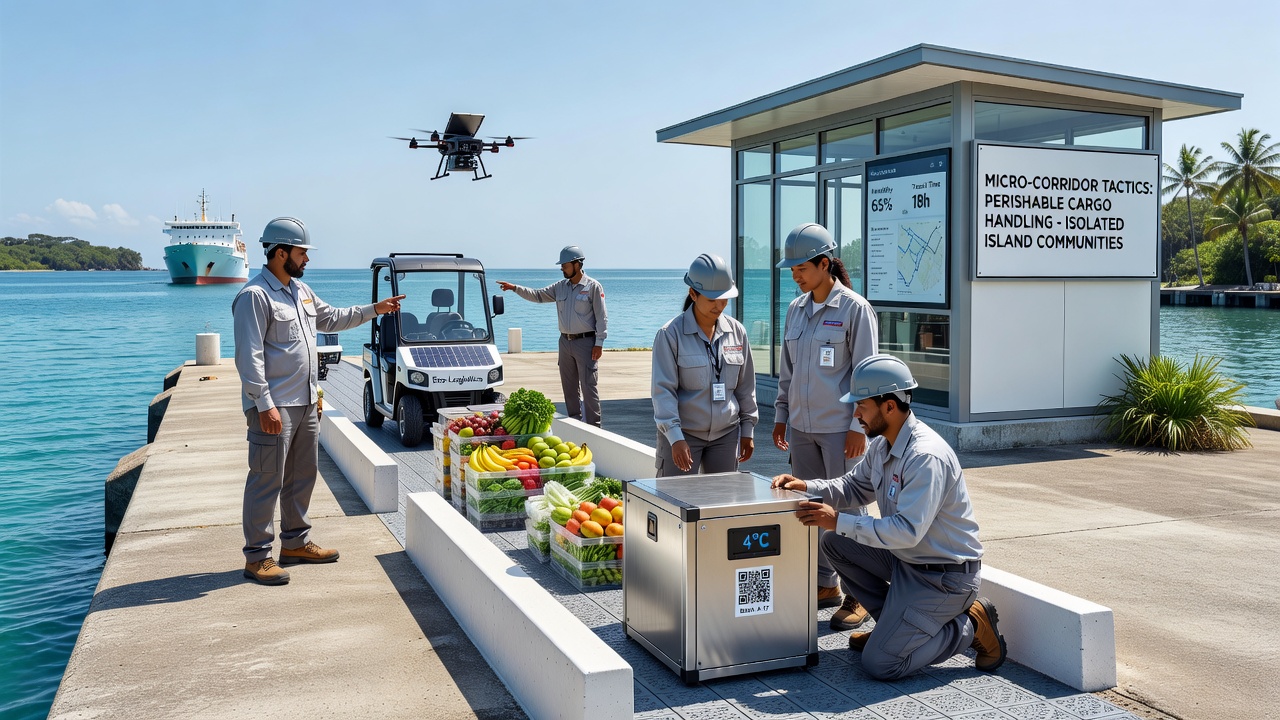
Local ports adapt infrastructure by installing compact cold-storage facilities and rapid-transfer docks that minimize time between vessel arrival and onward distribution. Crew training programs emphasize quick loading sequences and immediate quality checks, which prevent breaks in the cold chain that commonly occur during manual transfers. These adjustments create reliable loops where goods move from production sites on outer islands to consumption centers within hours rather than days.
Regional Implementation Examples
In the Caribbean, several territories have piloted micro-corridor services that link smaller islands to larger distribution points using hybrid-electric launches fitted with battery-backed refrigeration. A 2025 trial coordinated across multiple jurisdictions demonstrated that weekly sailings replaced monthly large-vessel calls, and participating communities recorded measurable drops in post-harvest losses for tropical fruits and fish. Observers note that the approach also lowered fuel consumption per ton-kilometer because vessels operated closer to optimal load factors on shorter legs.
Pacific island nations have tested comparable networks that incorporate community-owned boats retrofitted with solar-assisted cooling systems. These setups allow fishers and farmers to consolidate loads at designated collection points before dispatch along established micro-routes. Figures from regional transport analyses reveal that such consolidation cut the number of individual trips by nearly half while maintaining freshness standards for export-grade products.
Technology Integration and Data Use
Digital platforms aggregate weather, tide, and demand data to generate dynamic sailing windows that operators review daily. Automated alerts notify crews when temperature thresholds approach limits, prompting immediate corrective actions such as increased ventilation or route diversion to nearer ports. A forthcoming pilot scheduled to begin in September 2026 will test satellite-linked tracking across multiple island chains, with the goal of extending reliable service to communities currently served only by irregular supply runs.
Inventory management software at hub facilities forecasts incoming volumes based on historical patterns and current harvest reports, which helps allocate limited cold-storage space efficiently. When combined with vessel telemetry, these tools allow planners to balance loads across the corridor and reduce empty backhauls that waste capacity and raise per-unit costs.
Regulatory and Infrastructure Considerations
Authorities in participating regions update port regulations to accommodate frequent small-vessel traffic while maintaining safety and environmental standards. Simplified customs procedures for intra-island movements within defined corridors speed clearance without compromising inspection requirements for food safety and biosecurity. Studies conducted by the Caribbean Community secretariat highlight that streamlined documentation has shortened average processing times from several hours to under 45 minutes at participating facilities.
Investment in shore power connections and modular cold stores continues to expand, supported by development funds aimed at climate-resilient supply chains. These upgrades enable vessels to recharge or refuel quickly during brief stops, which keeps overall cycle times short and supports the high-frequency model that defines micro-corridor operations.
Conclusion
Micro-corridor tactics provide a structured response to the persistent difficulties of moving perishable cargo in isolated island settings by focusing on shorter distances, specialized equipment, and coordinated scheduling. Evidence gathered from ongoing programs shows measurable gains in freshness preservation, fuel efficiency, and service reliability. As additional data become available from the September 2026 pilot and similar initiatives, planners can refine these networks further to serve a wider range of communities facing comparable geographic constraints.